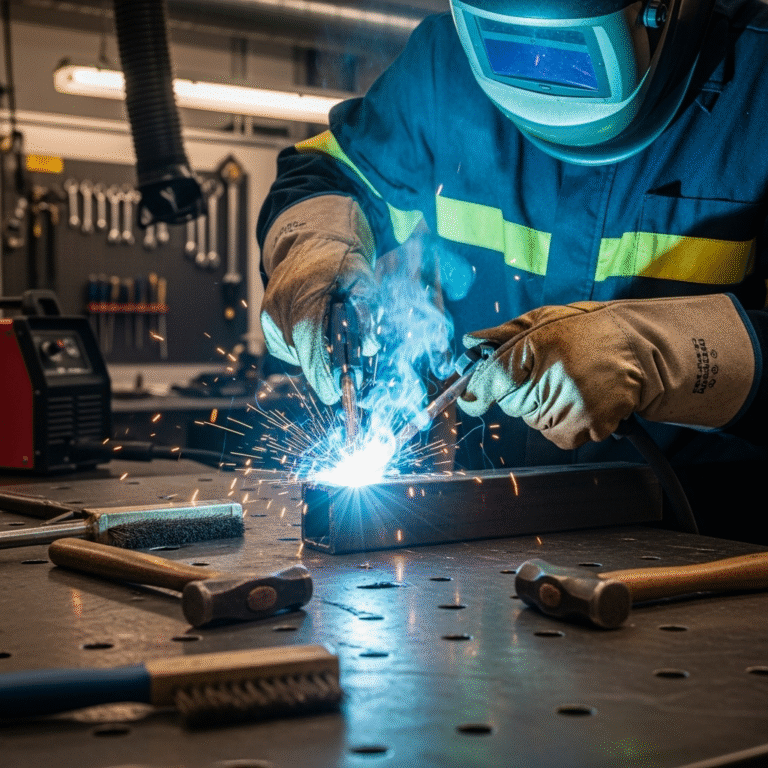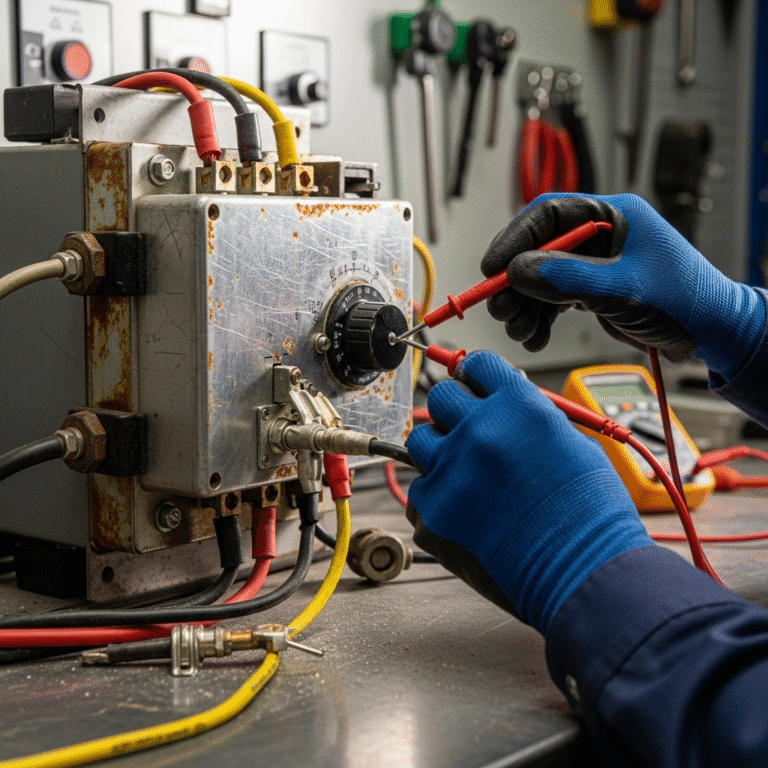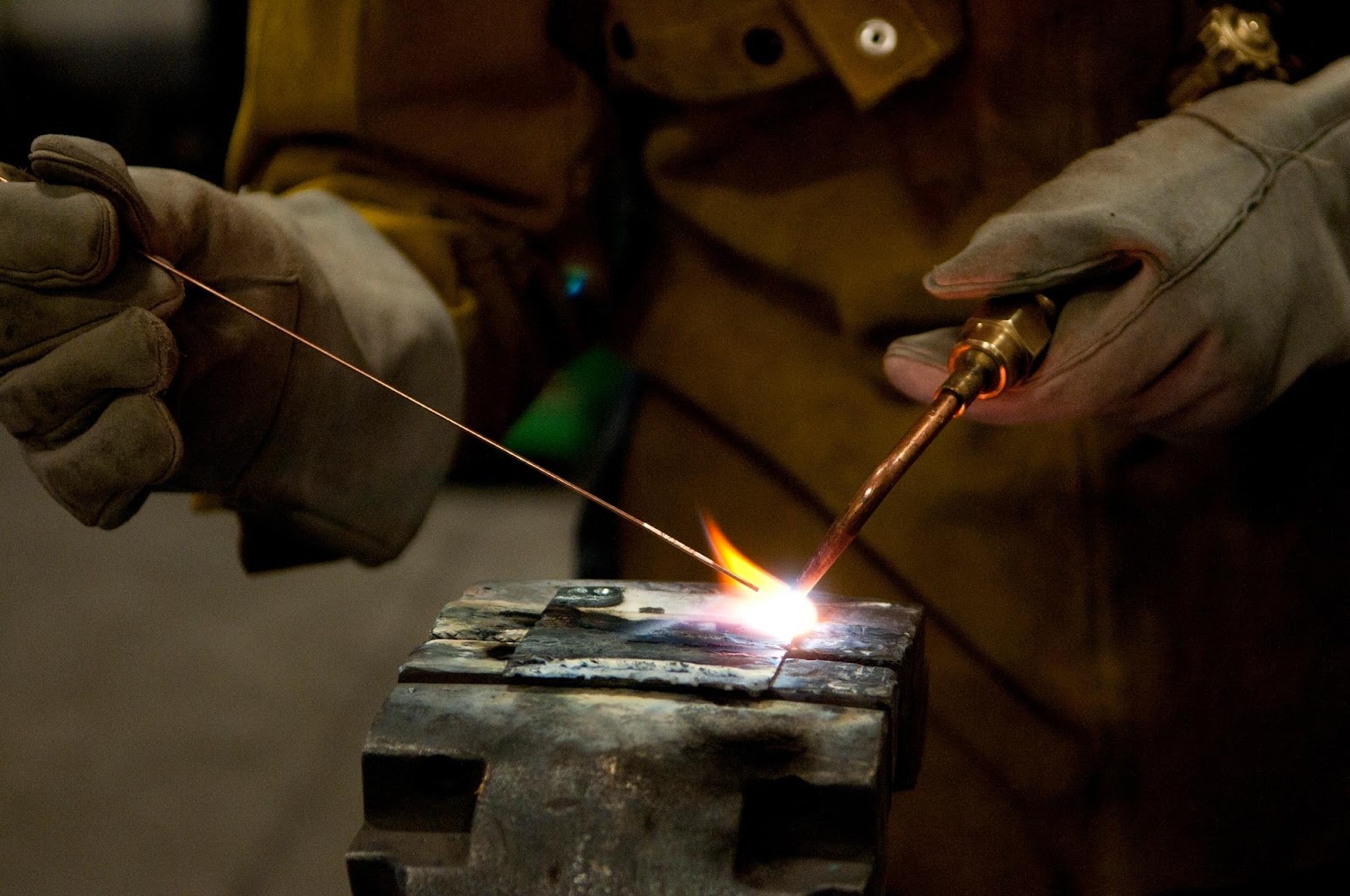
Welding cast iron is one of the most challenging welding processes due to its high carbon content. Improper technique often leads to cracking, porosity, and weak joints. However, when done correctly, welding can restore cast iron parts to full strength. This guide walks you through the best way to weld cast iron using proven techniques and materials that reduce stress and prevent cracking.
Types of Cast Iron
Understanding the Type of Cast Iron You’re Working With
Identifying the specific type of cast iron you’re working with is one of the most critical steps before beginning any welding procedure. Each type has unique physical and metallurgical characteristics that influence weldability, filler selection, preheat requirements, and cooling strategies. Misidentifying the base metal can lead to cracked welds, compromised structural integrity, or complete failure of the repair.
1. Gray Cast Iron (Most Common & Traditional)
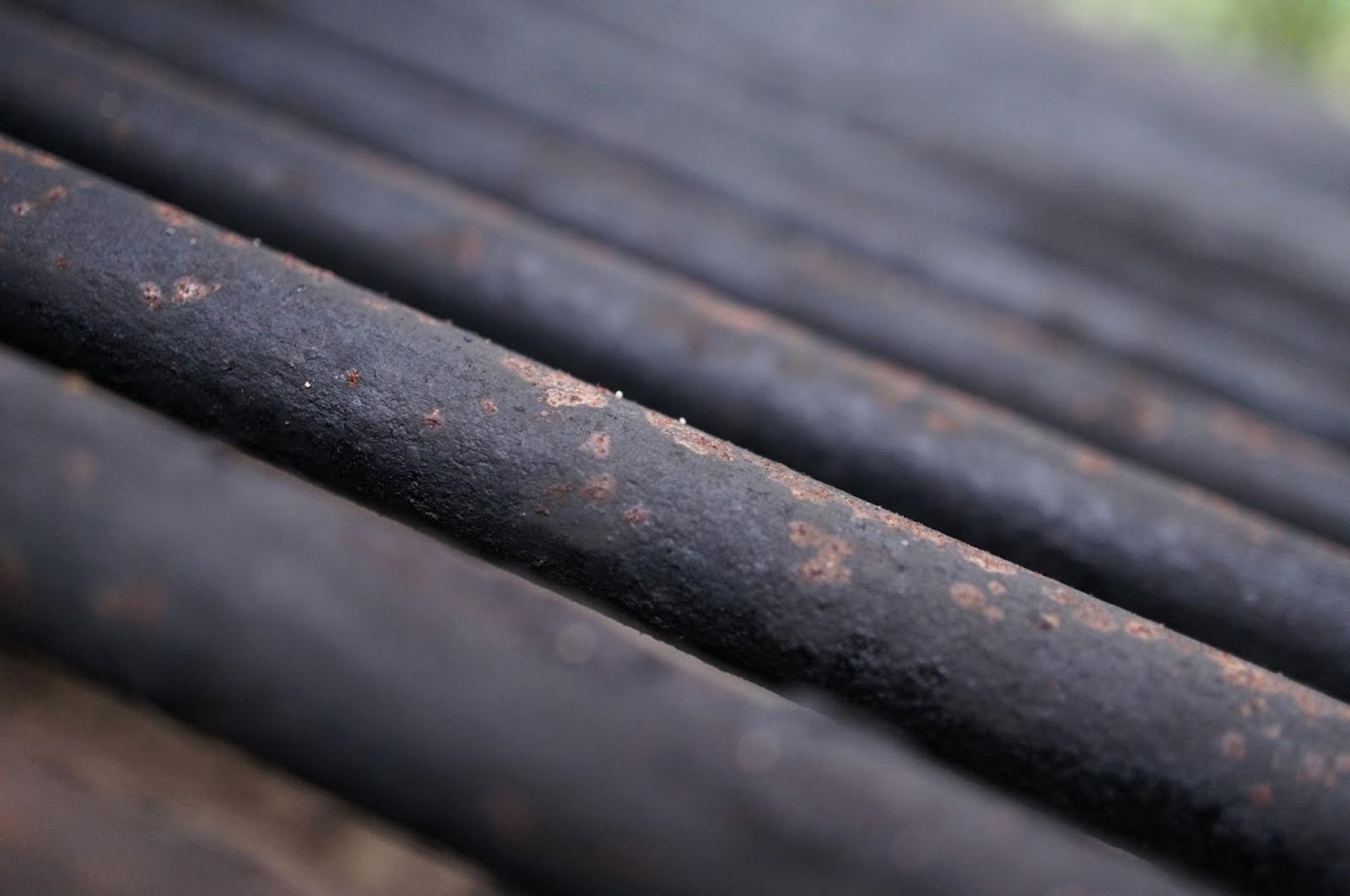
Gray cast iron is the most widely used form of cast iron, easily recognized by its gray fracture surface caused by the presence of graphite flakes. It is typically used in engine blocks, pump housings, pipe fittings, and machine bases.
- Weldability: Moderate, but with proper preparation.
- Challenges: Its brittleness and flake graphite structure promote cracking under thermal stress.
- Best Practice: Preheat the entire casting to a minimum of 500°F (260°C) and use a high-nickel filler rod such as ENi-CI. Controlled slow cooling is essential to prevent stress fractures.
- Notes: Post-weld machining is easy if pure nickel filler is used.
2. Ductile Iron (Nodular or Spheroidal Graphite Iron)
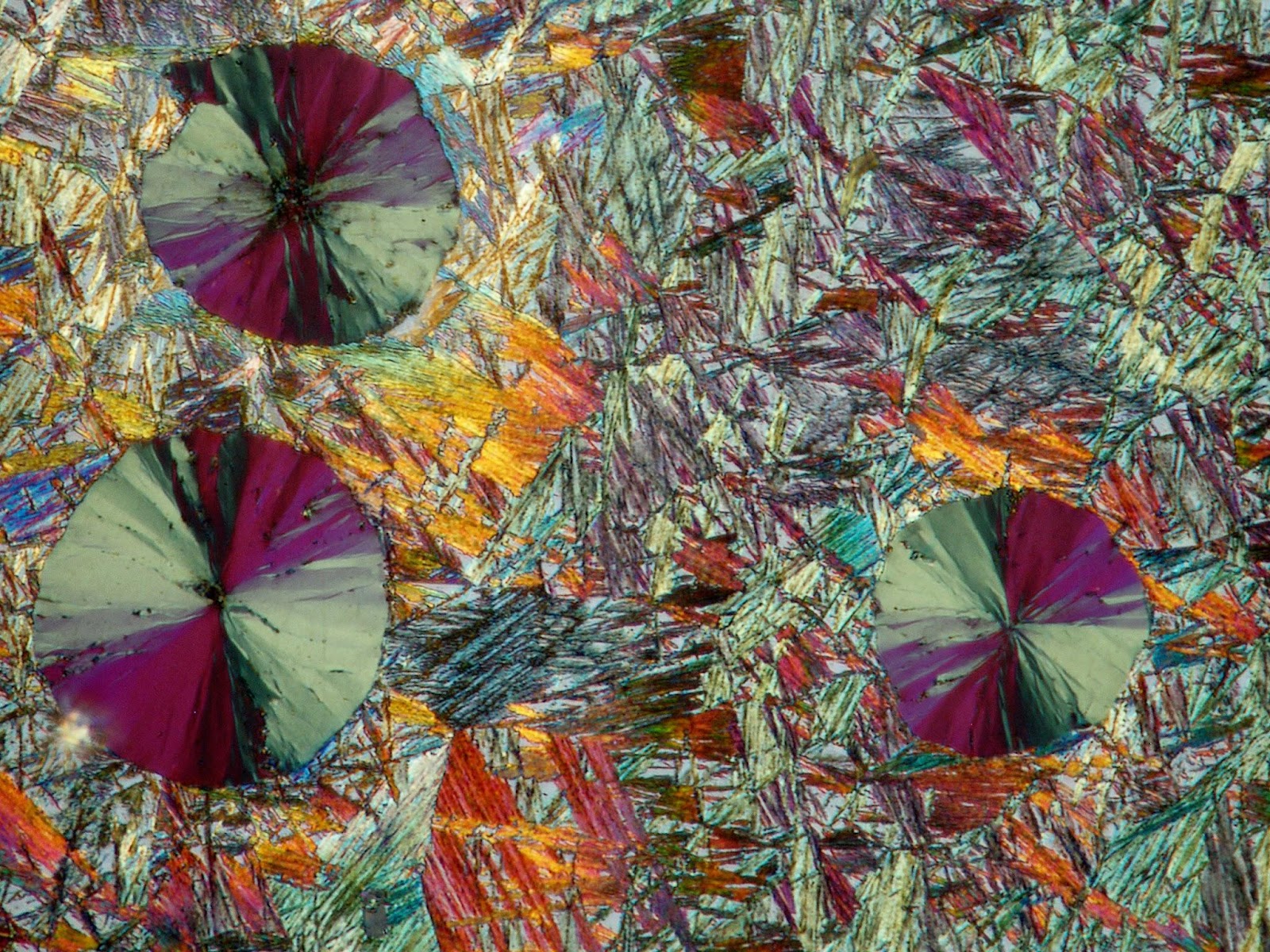
Ductile iron is a more modern variant of cast iron engineered for improved mechanical properties. Its graphite is present in the form of nodules or spheres, which gives it better flexibility and impact resistance compared to gray iron.
- Weldability: Easier than gray iron, but still requires care.
- Challenges: The addition of magnesium (to create nodules) makes the weld zone susceptible to carbide formation if not properly controlled.
- Best Practice: Preheat to 600°F (315°C) or higher. Use nickel-iron filler rods (ENiFe-CI) for structural strength. Peening between passes and controlled cooling can help distribute residual stress.
- Notes: Ideal for applications where shock or vibration resistance is required.
3. White Cast Iron (High Carbon, Extremely Hard)

White cast iron is characterized by a lack of graphite, resulting in a hard, brittle structure composed mainly of cementite (iron carbide). It is often used for abrasion-resistant surfaces like mill liners, slurry pumps, and brake shoes.
- Weldability: Practically non-weldable using conventional fusion methods.
- Challenges: Its microstructure does not allow sufficient diffusion of heat; thermal cycling causes cracking almost immediately.
- Best Practice: Avoid fusion welding altogether. Opt for brazing if a bonded repair is needed, or use mechanical fasteners (stitching, bolting, etc.).
- Notes: Repairs are often considered temporary. Replacement of the part is typically the most reliable long-term solution.
Step-by-Step Preparation for Welding Cracked Cast Iron
Proper preparation is essential before any welding begins on cracked cast iron. Unlike mild steel, cast iron reacts unpredictably to thermal changes and contamination. Skipping or rushing prep steps can lead to weld failure, increased brittleness, or further cracking during or after the repair. Below is a detailed breakdown of the critical steps professionals follow to ensure a strong, lasting weld on cast iron.
1. Drill Stop-Holes at Both Ends of the Crack
Before attempting to weld a cracked section, it’s crucial to prevent the crack from spreading further. This is done by drilling stop-holes at each end of the fracture line.
- Why It Matters: Cast iron is brittle, and cracks can easily propagate when heat is introduced. Drilling stop-holes relieves stress at the crack tips.
- Recommended Drill Size: Use a 1/8″ to 1/4″ drill bit depending on the size of the casting and crack.
- Tip: Drill slightly beyond the visible ends of the crack to account for any microscopic hairline extensions not visible to the naked eye.
2. Grind a 45-Degree V-Groove Along the Crack
Once the crack is stabilized, you’ll need to prepare the joint for proper filler penetration. Use an angle grinder with a cutting or grinding disc to create a V-groove along the entire length of the crack.
- Why It Matters: The 45-degree bevel allows for full weld penetration, which is critical for structural integrity.
- Depth & Width: Grind the groove deep enough to reach the full depth of the crack without cutting through the material. In most cases, a 3/16″ to 1/4″ depth is sufficient.
- Technique Tip: Feather out the groove edges gradually to prevent heat accumulation at the groove shoulders, which could cause additional cracking.
3. Clean the Surface Thoroughly Before Welding
Cast iron is porous and tends to absorb oil, grease, moisture, and cutting fluids—especially in industrial applications. Any contamination left behind can cause porosity in the weld or weaken the bond.
- Step 1: Degrease
Use acetone, denatured alcohol, or a dedicated industrial degreaser to clean the area. Apply generously and wipe thoroughly. - Step 2: Mechanical Cleaning
Scrub the groove and surrounding area using a wire brush, abrasive pad, or sandblaster to remove:
- Graphite skin
- Surface rust
- Paint
- Embedded dirt or dust
- Graphite skin
- Step 3: Dry the Area
Use a heat gun or allow time for complete evaporation of solvents before welding. Trapped moisture or fumes can severely affect weld quality.
Preheating Strategy
Why Preheat?
Preheating minimizes thermal shock, reduces residual stress, and prevents cracking.
Recommended Temperature
For gray cast iron: 500–1200°F (260–650°C), depending on section thickness.
How to Preheat
Use an oven, propane torch, or heat blankets. Warm the entire casting evenly.
If You Can’t Preheat
For small parts, you can weld without preheating using short welds and peening. Keep the part at ~100°F and control interpass temperature.
Choosing the Right Welding Method
1. Stick Welding (SMAW) – Best Option
- Electrode Options:
- ENi-CI (99% Nickel): Best machinability and crack resistance.
- ENiFe-CI (55% Nickel): Cheaper, good for ductile iron.
2. MIG Welding
Use short-circuit transfer mode with nickel-alloy wire. Less forgiving than stick welding.
3. TIG Welding
High precision, but more heat concentration. Use only with skill and preheat.
4. Oxy-Acetylene
Good for small or decorative repairs. Use cast iron filler rods or brazing rods.
Welding Techniques
- Use short 1″ welds to limit heat input.
- Hammer peen each weld while hot to relieve stress.
- Weld in alternating locations to distribute heat.
- Maintain low amperage and short arc length.
Post-Weld Cooling
- Slow cooling is critical.
- Wrap in insulating blankets or bury in dry sand or vermiculite.
- For oven preheat: turn off oven and let it cool naturally overnight.
- Never quench or cool rapidly.
Final Finishing
Grind or machine the weld to match the original surface. For cookware, reseason the surface to prevent rust.
When Not to Weld
- If the part is white iron, highly stressed, or irreplaceable, consider brazing or metal stitching instead.
FAQs
Why is cast iron difficult to weld?
Cast iron is difficult to weld because of its high carbon content, typically between 2% and 4%. When heated, this carbon can migrate into the weld area, making the metal brittle and prone to cracking as it cools. Additionally, cast iron has low ductility and poor tensile strength, which further complicates the welding process. Uneven heating and cooling rates can also introduce stress, leading to distortion or immediate post-weld fractures if not properly managed.
Which type of cast iron cannot be welded?
White cast iron is the most challenging and often considered “non-weldable” due to its extremely hard and brittle microstructure. Unlike other cast irons, white cast iron lacks graphitic flakes and instead contains cementite, which doesn’t allow heat to diffuse evenly. Attempting to weld white cast iron usually results in cracks, even under the most controlled preheating and cooling conditions. For any repairs, brazing or mechanical fastening is preferred over welding.
What is the nickel rod for welding cast iron?
Nickel rods, especially those made from pure nickel or a 55% nickel-iron alloy, are commonly used for welding cast iron. These rods, such as ENi-CI or ENiFe-CI, are chosen because they provide a soft, ductile weld that can absorb thermal stress. The high nickel content ensures good compatibility with cast iron and reduces the risk of cracking. Pure nickel rods (like ENi-CI) are ideal for machinability, while nickel-iron rods (like ENiFe-CI) offer better strength and are more cost-effective.
What is the primary challenge when welding cast iron?
The primary challenge when welding cast iron is managing thermal stress and avoiding cracking. Cast iron’s composition and grain structure cause it to respond poorly to rapid temperature changes. Preheating the entire part, slow cooling post-weld, and using appropriate filler materials (like nickel rods) are essential to reduce residual stress. Even with the right techniques, ensuring weld strength without introducing fractures remains a critical obstacle in cast iron welding.
Conclusion
This comprehensive guide provides everything a welder needs to know about successfully repairing cast iron. By focusing on material type, thermal control, electrode selection, and post-weld treatment, you can weld cast iron confidently with minimal cracking or failure.
About the Author