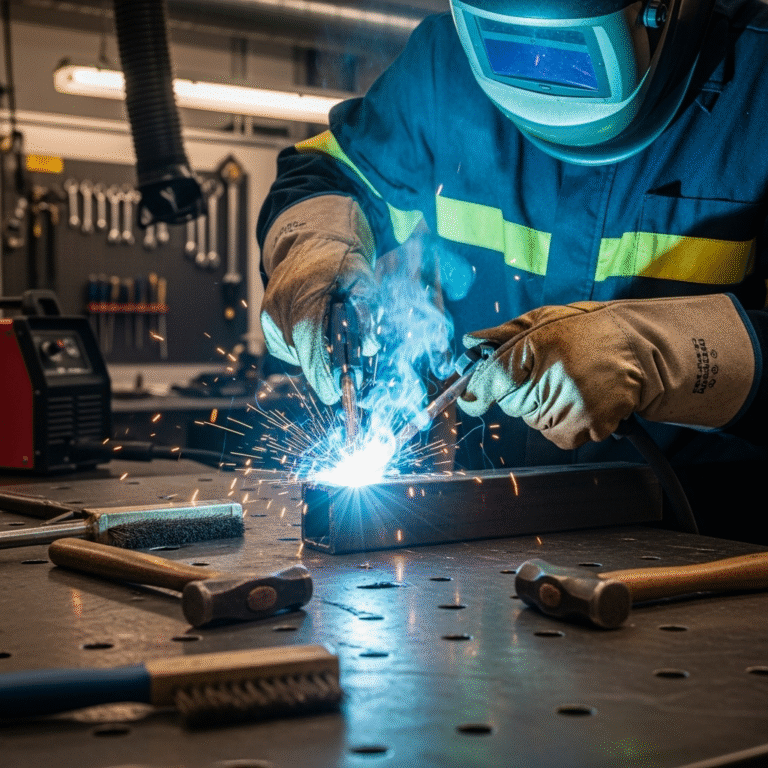
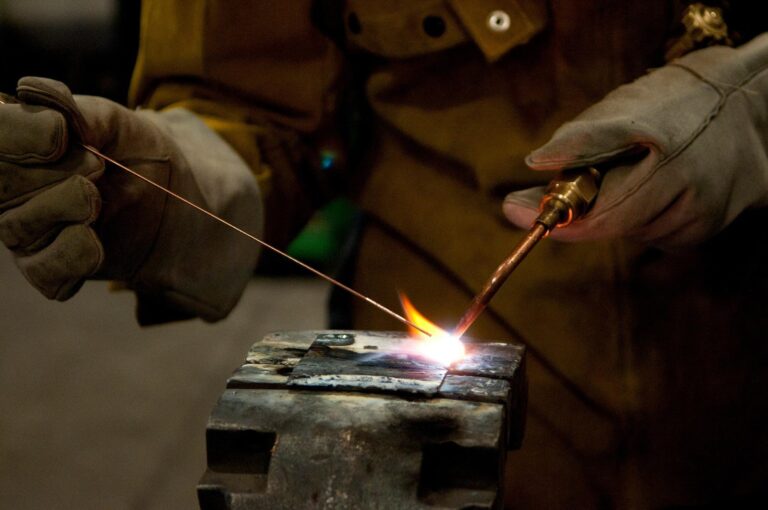
Welding is one of the most critical and dangerous skilled trades. Whether you’re working in a dry fabrication shop or a damp construction site, electric shock is always a threat. That’s where a Voltage Reduction Device (VRD) becomes essential.

A VRD is a safety feature built into or added onto welding equipment that automatically reduces the open-circuit voltage (OCV) when the welding arc is not active. This small yet powerful device plays a big role in preventing accidents, especially in wet or high-risk environments.
If you’re exploring tools that keep welders and technicians safe, you’ll also want to check out tools that keep welders and technicians safe.
How a Voltage Reduction Device Works
When a welding machine is powered on but not actively welding, it maintains an open-circuit voltage typically between 70 to 100 volts. This idle voltage can be dangerous if the welder accidentally touches the electrode, particularly in damp conditions.
A VRD monitors the output terminals and automatically reduces the OCV to a safer range, usually around 12 to 15 volts, whenever the welder is not striking an arc. When the arc is initiated and welding starts, the device instantly returns to full voltage to ensure consistent performance.
Think of it as a smart safety switch: it only gives you full power when it’s needed.
Why Using a Voltage Reduction Device Is Essential for Every Welder
Open-circuit voltage is a hidden danger. It’s the reason many jobsite injuries occur even before welding starts. Here’s why a VRD is crucial:
- Prevents electric shock: Especially when working in wet or humid environments
- Protects new and apprentice welders who may be unaware of voltage risks
- Minimizes arc flash accidents due to accidental touch
- Required by many union and OSHA regulations for welding safety
- Peace of mind knowing your gear prioritizes safety

If you manage a team of welders or operate a mobile welding business, installing or using VRD-equipped equipment could be the difference between an accident and a safe day on the job.
Types of Voltage Reduction Devices
Depending on your equipment and setup, there are three types of VRDs to consider:
1. External VRD Units
- Standalone boxes that connect between your power source and welding leads
- Common in older machines without internal VRDs
- Often rugged and weatherproof
2. Built-in (Embedded) VRDs
- Standard in modern inverter-based stick and TIG welders
- Automatically manage voltage with adjustable response times
- Ideal for job sites with varying safety requirements
3. Retrofitted/Internal Kits
- Add-on modules for legacy machines
- Installed inside the welder housing
- Ensure compatibility before purchasing
Explore top-rated welding machines featuring integrated Voltage Reduction Devices at Your Business Next Door. The site highlights leading models from trusted brands like Lincoln Electric, Miller, and UNIMIG, perfect for welders prioritizing safety and compliance in high-risk environments.
Welding Situations That Require a VRD
Certain environments make VRDs not just helpful but mandatory. These are typical high-risk scenarios where Voltage Reduction Devices (VRDs) can be life-saving:
- Shipyards or offshore platforms where water exposure is constant
- Underground welding jobs near plumbing or drainage systems
- Outdoor construction during rainy or humid conditions
- Mobile welding rigs without isolated grounding
- Mining and excavation sites where voltage feedback risks are higher
In these environments, the use of VRDs is more than a compliance checkbox; it’s a frontline defense against serious injury or fatal accidents. Safety regulations in many industries even mandate their use for this reason.
Benefits of Using a Voltage Reduction Device
Beyond reducing shock risk, a VRD offers many performance and compliance benefits:
- Enhanced safety in all environments
- Fewer liability risks for employers
- Better machine lifespan by preventing unnecessary voltage flow
- Increased trust with unions, clients, and inspectors
- OSHA and ISO compliance for regulated jobs
The use of VRDs can also lower insurance premiums for contractors and employers, as safety-equipped work environments are statistically less likely to report workplace injuries. This can lead to long-term cost savings across large-scale projects.
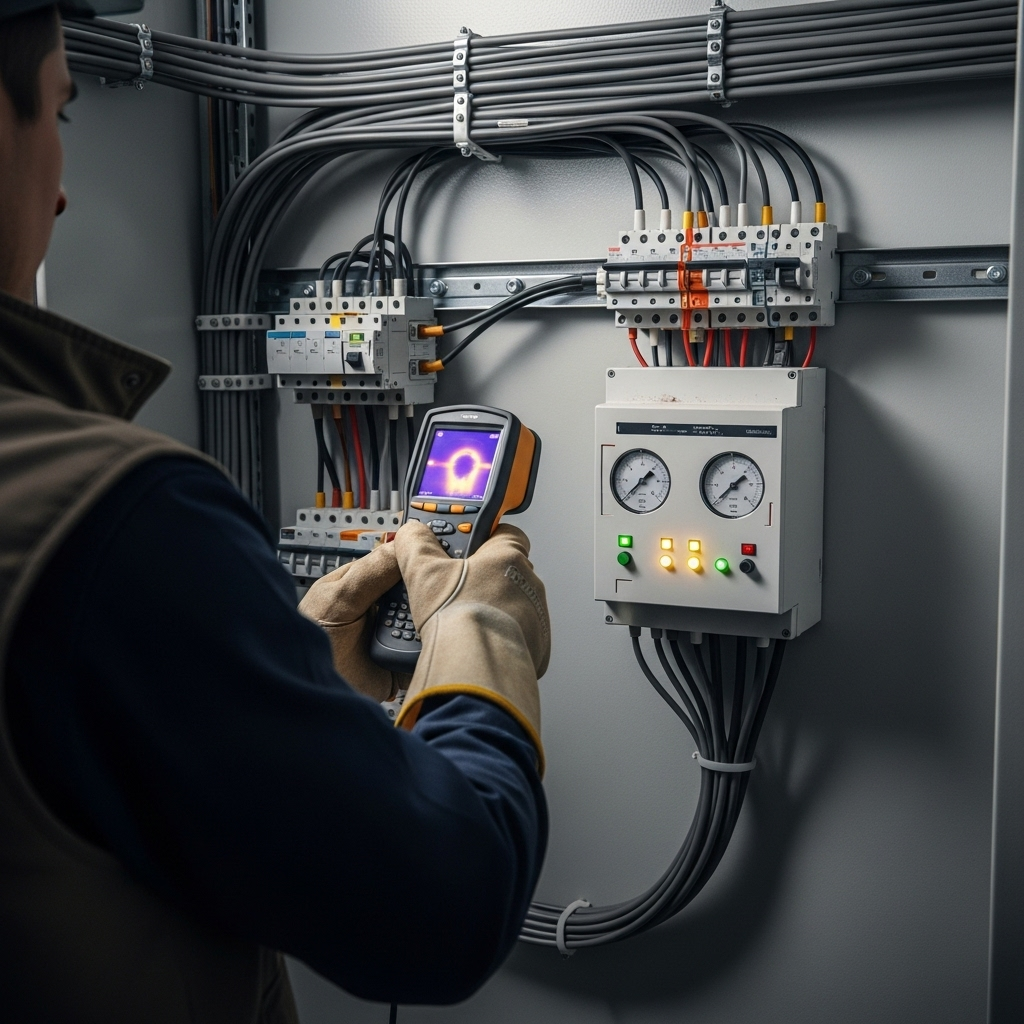
In addition to safety, the reliability that comes from using VRDs can improve job site efficiency. When workers feel confident using their equipment, productivity tends to rise. There’s less downtime, fewer disruptions, and fewer lost hours due to preventable incidents.
Drawbacks to Consider
While VRDs are generally beneficial, they’re not perfect:
- Delayed arc starts: Some welders find the ignition slower
- Not ideal for all rods: Electrodes like E6010 may perform inconsistently
- Can be bypassed accidentally: Make sure VRD is ON during use
However, many of these issues can be avoided with equipment calibration, proper training, and choosing a machine that allows the VRD delay to be fine-tuned based on electrode type. For welders working in conditions where performance is crucial, these small trade-offs are usually worth it.
Choosing the Right VRD for Your Setup
Before buying a VRD-equipped machine or external unit, ask:
- Can my existing welder support an internal or external VRD?
- What is the average OCV output when idle?
- Do I need it for TIG, stick, or multiprocess welding?
- Will my work take place in wet, isolated, or hazardous conditions?
Top-rated VRDs often carry certifications like UL, CE, ISO 9001, and are built to withstand jobsite abuse. If you’re unsure, consult your equipment manual or a distributor.

When selecting VRD equipment, also consider your work volume. Welders with a high duty cycle often gain more from built-in VRD systems, whereas casual users may find external units sufficient.
Choosing between internal and external VRDs may also depend on your mobility. Field welders who frequently switch jobs or work on different machines might prefer the flexibility of external VRDs. On the other hand, fixed workstations in fabrication shops may benefit from the permanence of internal solutions.
Future of Voltage Reduction Devices in Welding
The next wave of VRDs will be smarter and more integrated. Here’s what’s on the horizon:
- Smart VRDs with digital sensors for moisture detection
- Wireless safety alerts to jobsite managers
- Integration with helmets or mobile apps
- Dual-voltage management for hybrid welders
Some companies are even experimenting with AI-driven predictive safety systems that monitor both VRD activity and user fatigue to reduce accidents further, especially in techniques like fusion welding. As technology evolves, VRDs may become standard across all welding machines, including hobbyist models.
Government regulations and industry certifications will likely mandate VRD usage as standard practice in the coming years. Training institutions may also begin incorporating VRD awareness as part of welder certification programs, making it a core safety protocol from day one.
Frequently Asked Questions
What is the function of VRD?
A Voltage Reduction Device (VRD) lowers the open-circuit voltage of a welding machine when it’s not in use to reduce the risk of electric shock.
How does voltage reduction work?
When the welder isn’t striking an arc, the VRD drops voltage to a safe level. As soon as welding starts, full voltage is automatically restored.
What is the difference between VRD and RCD?
A VRD protects welders by reducing idle voltage on the welder. An RCD (Residual Current Device) cuts off power if it detects a fault current, like leakage or ground faults in electrical circuits.
How to use VRD in a welding machine?
Just turn on the VRD setting if it’s built-in. For older machines, connect an external VRD unit between the power source and the electrode lead; no extra steps are needed once installed.
Final Thoughts
A voltage reduction device might seem like a minor add-on, but its impact is huge. It keeps welders safe, employers compliant, and job sites more professional. Whether you’re enhancing your equipment or overseeing a crew, investing in VRDs is one of the wisest choices you can make in 2025.
From safety-conscious DIYers to full-time union welders, understanding and using VRDs will be essential as safety standards continue to evolve. Don’t wait until an accident forces the upgrade; make it part of your equipment checklist today.
About the Author