Arc welding is among the most commonly used techniques in the welding industry. If you’ve ever seen bright flashes on a job site, that’s likely arc welding in action. But what is electric arc welding exactly? It’s a process that uses electricity to generate intense heat enough to melt metal and fuse components together.

Developed in the late 1800s and popularized during wartime manufacturing booms, arc welding has evolved into several specialized forms. From building cruise ships to fixing oil pipelines, it’s a trade essential to modern infrastructure. If you’re just starting in the trades or curious about how welding powers industries, this guide walks you through what electric arc welding is, how it works, and why it’s still in demand today.
For more tips on welding tools and how to enter the trade, visit our website, yourbusinessnextdoor.com
How Electric Arc Welding Works
The process is straightforward but powerful. Here’s how it functions:
- Electric current flows between the welding electrode and the metal workpiece.
- An arc forms, creating intense heat (over 6,500°F).
- It produces heat that liquefies both the electrode and the base material, allowing them to fuse into a single solid joint.
- The molten metal solidifies, creating a strong joint.
This process requires a steady hand and proper timing to ensure consistent welds. The arc remains active until the welding job is finished. Some systems allow automated control, while others are fully manual.
Key Equipment Needed for Arc Welding
To perform electric arc welding safely and effectively, you need:
- Welding power source (AC or DC)
- Electrode holder and ground clamp
- Electrodes (stick or wire, depending on method)
- Protective gear: helmet, gloves, flame-resistant clothing
- Optional tools: wire brush, chipping hammer, ventilation fan

Using the correct setup and safety tools not only improves the quality of your welds but also protects you from potential hazards. Whether you’re a beginner or a seasoned welder, keeping your equipment well-maintained and understanding its role is a fundamental part of welding success.
Types of Electric Arc Welding Processes
There are several subtypes of arc welding, each suited to different tasks:
SMAW (Shielded Metal Arc Welding)
- Also called stick welding
- Very portable
- Ideal for heavy structural and outdoor work
GMAW (Gas Metal Arc Welding)
- Known as MIG welding
- Clean, fast, and great for beginners
- Common in automotive and fabrication
FCAW (Flux-Cored Arc Welding)
- Similar to MIG but with a self-shielding wire
- Better for thicker metals and outdoor use
GTAW (Gas Tungsten Arc Welding)
- Also known as TIG welding
- Known for its precision and clean results, it’s frequently applied to aluminum and stainless steel.
| Process | Skill Level | Speed | Cleanliness | Best Use Case |
| SMAW | Intermediate | Medium | Medium | Construction, repair |
| MIG | Beginner | High | Clean | Auto, fabrication |
| TIG | Advanced | Low | Ultra-clean | Aerospace, art |
| FCAW | Beginner | High | Medium | Heavy-duty work |
Each process has its own strengths and trade-offs. Whether you need precision, speed, portability, or affordability, there’s an arc welding method suited to your specific application.
Applications of Electric Arc Welding
Many industries rely on arc welding as a preferred method:
- Shipbuilding: Joining hulls, decks, and substructures
- Oil & Gas: Pipeline welding and refinery structures
- Automotive: Frame and body assembly
- Infrastructure: Skyscrapers, bridges, and tunnels
- Agriculture: Equipment fabrication and repair
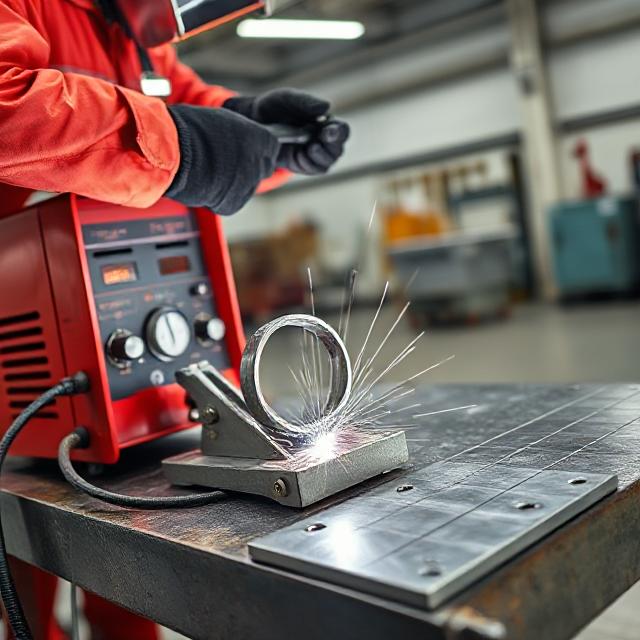
Arc welding’s flexibility and reliability make it a go-to solution across a wide range of industries where structural strength and long-term durability are non-negotiable. Whether in a factory, field, or shipyard, arc welding remains a vital process driving industrial progress worldwide.
Advantages of Electric Arc Welding
- Strong welds: Excellent joint strength
- Cost-effective: Affordable for individuals and shops
- Versatile: Works on most metals
- Portable: Especially SMAW and FCAW machines
These advantages make electric arc welding a powerful, efficient, and accessible welding solution. Whether you’re fixing machinery on a farm or building a steel frame in a skyscraper, arc welding delivers strength, reliability, and flexibility where it’s needed most.
Challenges and Limitations
- Requires skill: Poor technique leads to weak welds
- Fumes and sparks: Can be dangerous without PPE
- Less effective on thin materials: Overheating is a risk
Despite its strengths, arc welding isn’t the best choice for every situation. Being aware of these limitations helps you choose the right tools, techniques, and safety measures to weld more effectively and responsibly.
Welding Safety Best Practices
- Always wear PPE: Helmet, gloves, safety glasses, jacket
- Ventilate the workspace: Avoid fume inhalation
- Check your grounding: Prevent electrical accidents
- Avoid welding in wet areas: Reduces shock risk
Welding can be extremely safe when these precautions are followed consistently. Respecting safety protocols not only protects your health but also improves the quality and reliability of your work. Always treat every weld with care because one mistake can have lasting consequences.
Beginner Steps to Learn Welding
- Pick a beginner-friendly welder (MIG is ideal)
- Practice regularly with scrap metal
- Take a class: AWS or local trade schools offer courses
- Learn from others: Forums, YouTube, and mentors

Starting with arc welding may seem complex, but it becomes much easier with the right approach and consistent practice. Choose the right tools, learn safely, ask questions, and above all, keep striking arcs. Welding skills improve with practice; the more you do it, the more proficient you become.
Is Arc Welding a Good Career in 2025?
Yes. The global demand for skilled welders remains strong, especially in industries like:
- Defense
- Energy
- Aerospace
- Infrastructure development
The career is also portable. Skilled welders can work across industries or even move internationally, as welding standards are globally recognized.
In short, arc welding is more than just a trade; it’s a high-demand, high-skill career path with opportunities for advancement, specialization, and job security. For those willing to learn, practice, and earn certifications, 2025 is an excellent time to enter the field.
Experienced welders can earn between $45,000 and $95,000/year, and specialists like underwater welders or pipe welders can surpass six figures.
Frequently Asked Questions
What do you mean by electric arc welding?
Electric arc welding involves using an electric arc to heat and fuse metals.
What is the electric arc process?
It involves creating a high-heat arc between an electrode and metal to melt and fuse parts.
What is electrode arc welding?
This method employs a metal electrode that carries the arc and supplies filler material to the weld joint.
What is a simple definition of arc welding?
Arc welding is a way to bond metal using electricity-generated heat.
Final Thoughts
Whether you’re a DIYer, student, or professional looking to upgrade your skill set, what is electric arc welding is a question worth exploring. This highly effective and adaptable technique remains a fundamental part of industries across the globe. With modern tools, evolving safety practices, and a growing demand for skilled tradespeople, there’s never been a better time to get started.
You can also find comprehensive technical documentation and educational resources through TWI Global and OSHA.gov.
From high school shop classes to elite underwater welding certifications, the fundamentals of electric arc welding remain the same. It’s about mastering control, understanding materials, and respecting safety, all while building structures the world relies on.
If you’re ready to explore the arc, strike a bead, and start a career in welding, this is the time to spark it into motion.
About the Author